Eco-Friendly Packaging: Benefits, Materials & Real Impact
Discover how eco-friendly packaging helps businesses reduce environmental impact and build stronger brands.

 May 28, 2025
 7 min read


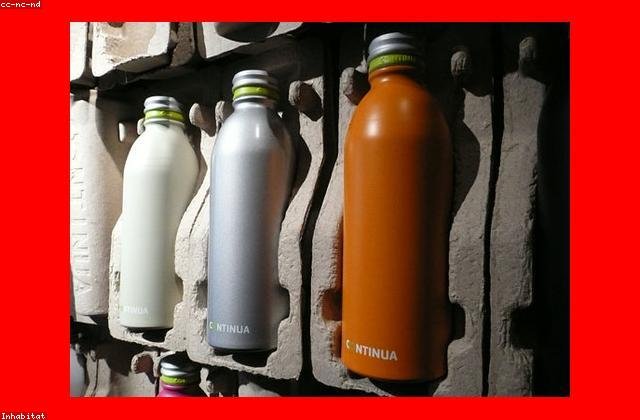
Sustainability is no longer a trend—it's a necessity. As consumers become more environmentally conscious, businesses are shifting toward eco-friendly packaging solutions that reduce waste, conserve resources, and promote a greener planet.
In this guide, we'll explore the benefits of eco-friendly packaging, popular sustainable materials, and its real impact on businesses and the environment.
Table of Contents

What is Eco-Friendly Packaging?
Eco-friendly packaging refers to materials and designs that minimise environmental harm across their entire lifecycle—from sourcing and manufacturing to disposal. This includes recyclable, biodegradable, compostable, and reusable options that lower a product's carbon footprint.
Unlike conventional packaging, sustainable alternatives prioritise renewable resources and responsible production methods, helping brands meet both regulatory requirements and rising consumer expectations.
Benefits of Eco-Friendly Packaging
Beyond protecting the planet, sustainable packaging delivers tangible business value. It strengthens brand reputation, builds customer loyalty, and often reduces long-term material costs through lighter, smarter designs.
Companies that adopt green packaging frequently see improved customer trust, since shoppers increasingly prefer brands that demonstrate genuine environmental responsibility.
Common Eco-Friendly Packaging Materials
Popular options include recycled cardboard, kraft paper, cornstarch-based bioplastics, mushroom packaging, and molded pulp. Each material balances protection, cost, and sustainability differently, so the right choice depends on your product and supply chain.

| Material | Recyclable | Relative Cost | Best For |
|---|---|---|---|
| Recycled Cardboard | Yes | Low | Shipping boxes |
| Kraft Paper | Yes | Low | Wraps & void fill |
| Cornstarch Bioplastic | Compostable | Medium | Food packaging |
| Molded Pulp | Yes | Medium | Protective trays |
| Mushroom Packaging | Compostable | High | Premium protective inserts |
Real Impact on Businesses & Environment
Measurable impact comes from reduced landfill waste, lower greenhouse-gas emissions, and conservation of natural resources. For businesses, this translates into stronger ESG credentials and a clear competitive edge.
Challenges & Considerations
Transitioning isn't without hurdles—higher upfront costs, sourcing limitations, and the need to validate recyclability claims. A phased approach and reliable suppliers make the shift far smoother.
The Future of Sustainable Packaging
Innovation is accelerating, from plant-based films to smart, reusable systems. Brands that invest early will be best positioned as regulations tighten and consumer demand for sustainability continues to grow.

 No spam